


Botox and dermal fillers have been rejuvenating how we look for decades. But what do they really do? And which one is best for your features and aesthetic goals?
While both treatments can reduce the appearance of aging, such as softening wrinkles, lines, and depressions, they work differently and deliver different results. If you’re ready to look in the mirror and see youth restored to your looks, reduce the appearance of lines and wrinkles, or plump your cheeks and lips, keep reading. We’re about to uncover what each treatment is best for!
When it comes to Botox vs. fillers, you’re about to find out which solution will help you achieve your cosmetic goals, so you’ll feel more confident and revitalized in your skin.
What is Botox?
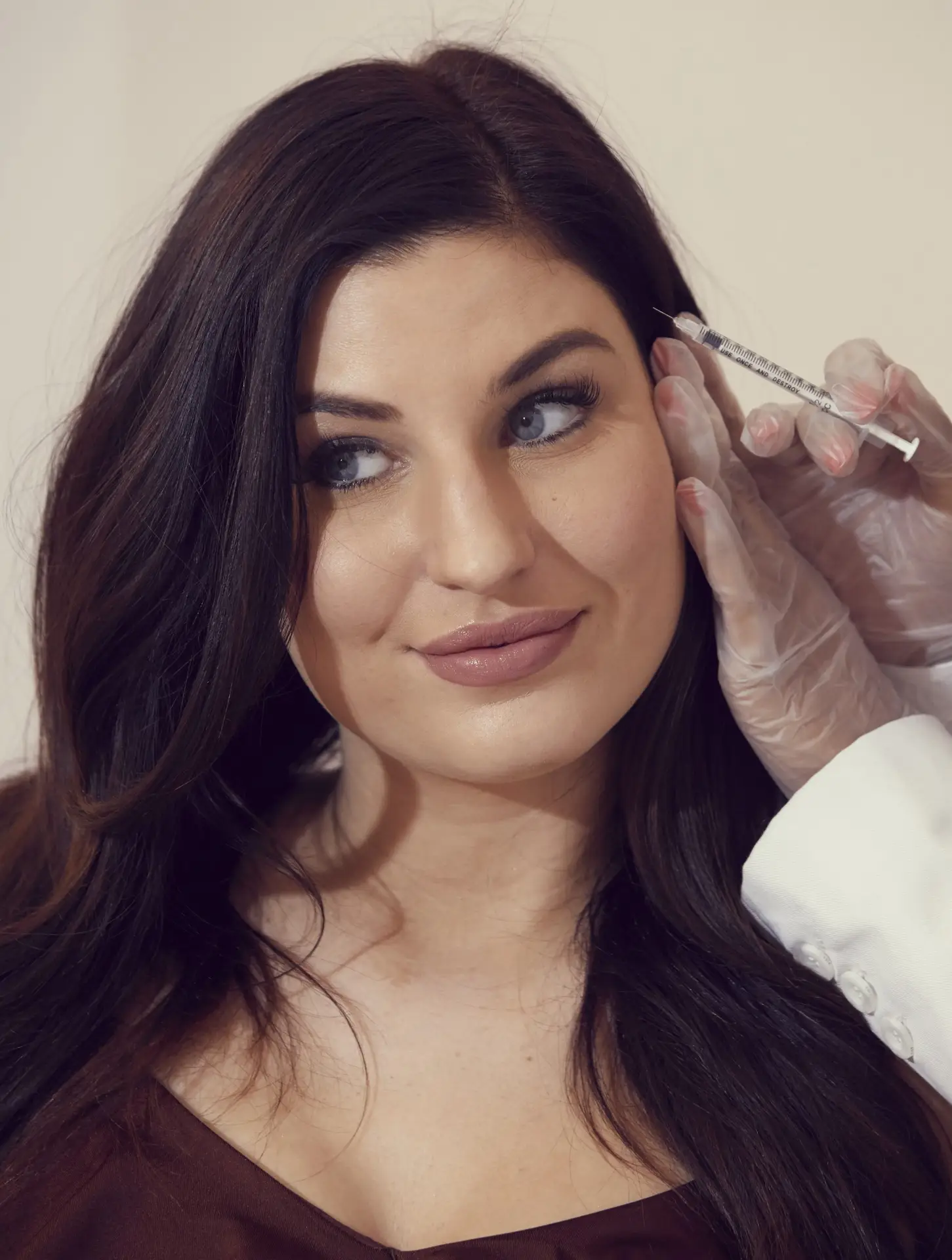
Botox is an FDA-approved treatment that temporarily reduces the appearance of fine lines and wrinkles. It comes from botulinum toxin, a neurotoxin that can restrict muscle movement. When injected into the muscles, Botox blocks nerve signals that allow the muscles to relax. As a result, it smooths fine lines and wrinkles, helps prevent them from becoming deeper, and restricts the movements that make them more noticeable.
What Can Botox Treat?
Botox injections work well on dynamic wrinkles, common wrinkles caused by repeated facial expressions like frowning, smiling, and squinting.
This treatment can help fade several dynamic wrinkles, including:
- Crow’s feet
- Frown lines
- Forehead wrinkles
- Bunny lines (around the nose)
- Lip lines
- Smile lines
Additionally, Botox injections can treat the following medical conditions:
- Excessive sweating under the arms
- Migraines
- Overactive bladder
- Pain and reduced mobility in the jaw
In a few months after treatment, Botox gradually wears off. When this happens, your wrinkles and muscle movements will return to normal. You can preserve your results with regular maintenance treatments and a healthy lifestyle.
What are Dermal Fillers?

Dermal fillers are gel-like substances that temporarily add volume and smooth wrinkles when injected into the skin. The injections are placed above or below the muscles, and many are made from hyaluronic acid. This natural substance in your body is a great ingredient because it hydrates and plumps your skin.
What Areas Can Dermal Fillers Treat?
As we age, our face loses volume over time. With dermal filler injections, you can restore this lost volume for a rejuvenated look. This treatment can plump up many areas, including:
- Cheeks
- Lips
- Chin
- Jawline
- Forehead
- Under the eyes
Dermal fillers can also reduce the appearance of scars and smooth nasolabial folds, which are the lines that run from the sides of the nose to the corners of the mouth.
Over time, your body will break down the filler naturally. Many people choose to have touch-ups to maintain their revitalized appearance.
Dermal Fillers vs. Botox: What are the Differences?
Botox and dermal fillers are some of the top cosmetic treatments out there. But what makes them different? Each treatment delivers amazing skin rejuvenating benefits. From what they treat to how long you need to recover, here’s what you need to know.
Treatment
Botox and dermal fillers reduce signs of aging in different ways.
- Botox helps eliminate and prevent dynamic wrinkles from forming. It can be injected on the forehead, around the eyes, near the mouth, and on the neck, chin, and jawline to smooth lines. Using smaller doses in “Baby Botox” treatments can help younger patients delay signs of aging.
- Dermal fillers reduce the appearance of scars, add volume, and fade static wrinkles. These wrinkles are always visible, even when your face isn’t moving. Common examples include marionette lines around the chin and lip lines near the mouth.
Length of Treatment
Both treatments take under an hour, but Botox is much faster. Known as a lunchtime treatment, Botox injections usually take about 10 minutes. Dermal fillers take longer since it takes 20 minutes to numb the treatment area, and the entire procedure usually takes up to 40 minutes.
Side Effects
As with any cosmetic procedure, Botox and dermal fillers have side effects. They are usually temporary and subside within a few days.
Common side effects from Botox include:
- Redness, swelling, and pain
- Bruising
- Headaches or migraines
- Drooping eyelids or eyebrows
- Dry mouth
- Flu-like symptoms
- Temporary weakness of the treated muscles
Common side effects from dermal fillers include:
- Swelling, redness, and bruising
- Itching
- Pain
- Tenderness
A rare and serious risk of dermal fillers is vascular occlusion, a blockage that can occur when filler gets injected into a blood vessel. To minimize this risk, it’s important to find a well-trained and experienced provider.
Recovery
Both Botox and dermal fillers require little to no downtime. Many clients who get these treatments can usually return to their daily activities immediately after their sessions.
- With Botox, you should avoid strenuous physical activities, heat exposure, and lying down for several hours. During this time, try not to rub the injection sites. Pressure could cause Botox to migrate to other areas, altering the effects of your treatment. Swelling, bruising, and other side effects peak a couple of days after treatment, but they should subside naturally.
- It’s common to experience redness, swelling, and bruising that peak after a few days of getting dermal fillers. Fortunately, these side effects should resolve after a few days. Like Botox, it’s important to try not to rub or massage your treated area and avoid strenuous exercise. Sleeping on your back can reduce swelling and help keep dermal fillers from migrating.
No matter which treatment you choose, follow your provider’s aftercare guidelines. This tip will help decrease your risk of complications and ensure you have the smoothest, quickest recovery possible.
Results
Botox and dermal fillers are temporary treatments to rejuvenate your appearance. Individual results will vary, but here’s what you can expect.
- Botox results develop gradually. It usually takes 3-5 days for most clients to start seeing improvements and 7-10 days for the full results to appear. Depending on your metabolism and lifestyle, you may be able to see the effects of Botox last about 3-4 months.
- With dermal fillers, you should immediately notice an increase in volume. After a week, when the swelling has subsided, most clients see a more noticeable improvement. However, it can take four weeks for the full outcome to appear. The length of your results will depend on the type of filler used, treatment areas, metabolism, and lifestyle. Most people see their results lasting from 6 months to over 2 years.
To maximize the length of your results from these treatments, follow your provider’s aftercare guidelines, live a healthy lifestyle, stay hydrated, and limit sun exposure. Many clients also come for touch-up appointments to help keep their results from fading.
Cost
Whether you choose Botox or dermal fillers, the cost will depend on several factors, including your age, how aggressive you want your treatment to be, and your desired results.
A unit of Botox usually ranges from $10 to $15. The number of units you’ll need is based on your treatment. If you’re treating your forehead and eyes, about 25-50 units may be used. According to the American Society of Plastic Surgeons, the average cost for a session of botulinum toxin injections is $435.
Dermal fillers have a higher initial cost than Botox. On average, hyaluronic acid fillers cost $682 per syringe. Usually, more than one syringe is used during a session, and the average cost of treatment is $715. Since dermal fillers last much longer than Botox, fewer touch-up appointments will be needed to maintain the results, making them more cost-effective in the long run.
Fillers vs. Botox: Which is Right for You?
Botox and dermal fillers are great solutions for skin rejuvenation. But which is right for your skin? The answer depends on your cosmetic goals.
If you’re looking for a way to smooth dynamic wrinkles that appear when you make common facial expressions, Botox may be your solution. It’s a great way to reduce the appearance of crow’s feet, frown lines, and forehead lines.
But if you want to reduce static wrinkles or plump your lips, cheeks, or under-eye area, you might want to look into dermal fillers.
If you’re torn between these options or have more questions, there’s an easy solution. When you schedule a consultation, you can sit down with a skilled esthetician and discuss your cosmetic concerns. With expert guidance, you’ll find the best treatment to help you look revitalized and feel more confident about your appearance.
Get Professional Botox and Filler at SKINNEY Medspa
When choosing between Botox vs fillers, there’s a lot to consider. From treatment and recovery to cost and cosmetic goals, knowing the differences between these treatments can help you find the right one.
If you’re looking to reduce crow’s feet or frown lines, Botox may be the best option. Want to restore lost volume in your lips or cheeks? You may want to explore dermal fillers.
As the leading provider of Botox and dermal fillers in NYC and Miami, we’ll help you rejuvenate your skin. Schedule a consultation with our team at (212) 754-6639 in NYC or (305) 717-7576 in Miami.
Whether Botox or dermal fillers is the best solution, we’ll provide a safe, effective treatment to achieve your desired results. Let’s discuss what solution is best for you.